Oceans Painted with Time at Dusk
Tonight we explore long-exposure seascape methods for dusk photowalks with ND filters, transforming churning waves into velvet textures and sky into luminous gradients. You will learn timing, safety, gear setup, exposure control, and storytelling approaches, while discovering practical field habits that preserve detail and mood. Share your questions, compare exposures, and add your favorite coastal locations to inspire our next wander under growing twilight.

Reading the Brief Windows of Light
Observe how the luminous band near the horizon compresses after sunset, and how scattered light softens edges while preserving silhouettes. Arrive early, note cloud thickness, and anticipate five-minute windows when color peaks. Accept that you may not nail every exposure; instead, prepare adaptable settings and compositions that gracefully adjust as the palette moves from warm embers to cool cobalt.

Tides, Swell, and Footing Awareness
Study tide charts alongside swell height and period, because a low tide with long-period swell can still push surprising surges. Choose stable rock platforms, test footing, and avoid algae-slick edges. Keep gear leashes tidy and bags zipped high. A cautious retreat plan lets you concentrate on timing, not escape routes, when the sea advances while shutters remain open.
Scouting and Access Before Darkness
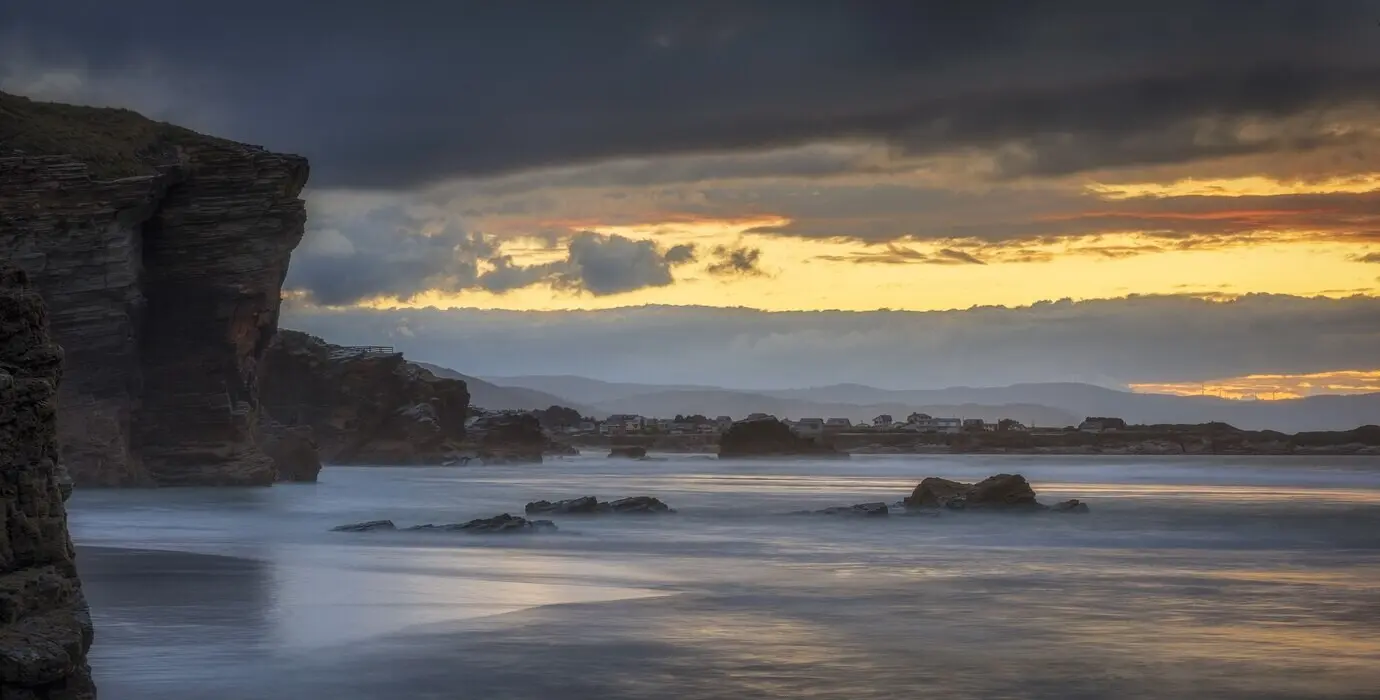
Walk the shoreline while light remains, mapping safe paths and noting compositions that align rocks, channels, and clouds. Identify dry staging zones for lens changes, and choose multiple angles to pivot between as color changes. When darkness deepens, your earlier observations replace guesswork, helping you move decisively and protect equipment while still catching those fleeting, ethereal intervals.
Tools That Make Minutes Stretch
Neutral density filters and stable supports let you lengthen time creatively without sacrificing sharpness. A reliable tripod, a wind-resistant head, and a remote release or self-timer are indispensable. Filter strength determines mood: subtle blur at three stops, velvety flow at six, and mist-like abstraction around ten. Keep microfiber cloths ready; sea spray appears exactly when the light gets perfect.
Select densities deliberately: a 3-stop keeps recognizable texture in moving water, a 6-stop reveals long ribbons and gentle streaks, and a 10-stop can dissolve surf into mist. Favor high-quality, color-consistent glass to avoid extreme casts. Square systems allow stacking and graduated control, while screw-ins are fast in wind. Cover the viewfinder to prevent leaks during extended exposures.
Use a sturdy tripod with thick leg sections, a solid head, and minimal column extension. Spread legs wide on rock, wedge tips into crevices, and hang a weighted bag carefully to damp vibrations. Disable image stabilization on a locked-down setup. When gusts arrive mid-exposure, shield the rig with your body rather than grabbing it, preserving alignment and horizon integrity.
Wide lenses emphasize foreground texture, while moderate focal lengths isolate reflective channels and distant stacks. Pack a blower, multiple microfiber cloths, and a rain cover to defend against salt spray that appears fiercely during blue hour. Keep a headlamp with a red mode, spare batteries warmed inside pockets, and seal filters in soft pouches to prevent scratches between quick changes.
Dialing Exposure with Confidence
Dusk encourages longer shutters while metering grows uncertain. Think in shutter targets—one to four seconds for silky lines, fifteen to ninety for misty calm, and multi-minute for dreamy minimalism. Maintain workable apertures for depth, watch histograms carefully, and meter test frames without ND to compute adjustments. Use Bulb mode and a timer for precision while avoiding needless ISO climbs.
Foreground Anchors and Pathways
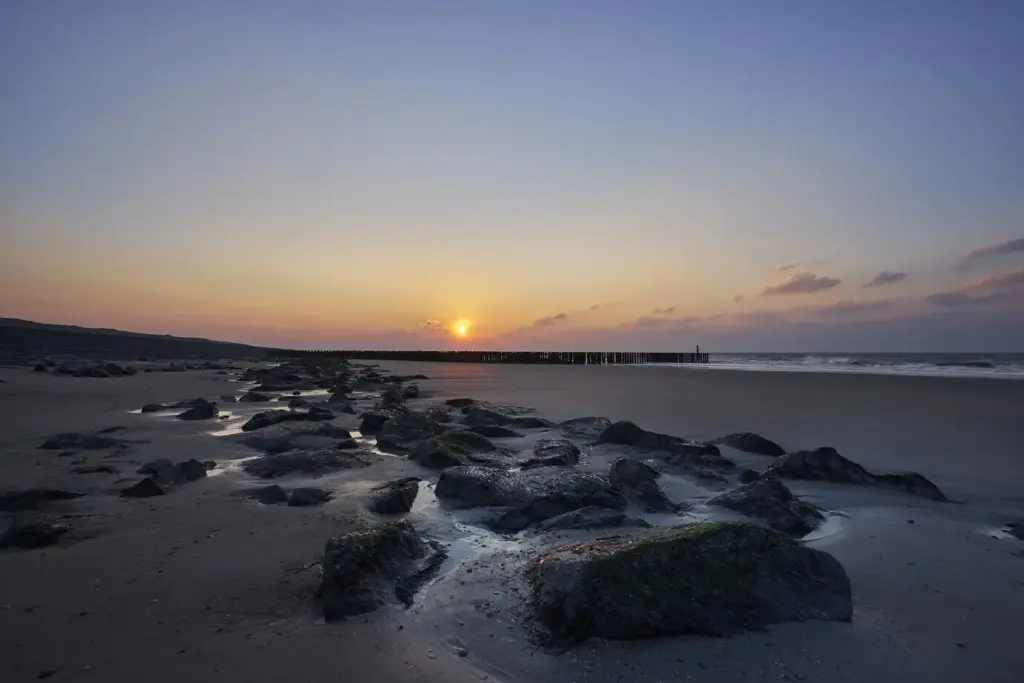
Choose stones, tide pools, or driftwood that hold attention across long shutters. Compose to usher the eye along foam trails into the sky’s soft gradient. Test a low viewpoint for intimacy, then a higher angle for balanced perspective. If the scene feels cluttered, simplify by excluding competing shapes, letting the ocean’s movement breathe around a single, expressive subject.
Motion as Narrative Element
Treat motion as your storyteller. Time the shutter with the ocean’s inhale and exhale, capturing receding foam that paints pale ribbons around rocks. Allow clouds to feather subtly across the frame, suggesting quiet wind. When elements align, the resulting serenity carries both energy and stillness, guiding viewers to linger in the cool glow between day’s goodbye and night’s arrival.
Managing ND-Induced Color Shifts
Different filters shift differently; learn your set by testing before important outings. Set a custom white balance with a gray card, or shoot RAW and apply a measured correction later. Watch for uneven magenta staining at steep angles. If color feels unnatural, embrace a cooler balance that complements twilight, then reintroduce warmth selectively where reflections deserve a gentle glow.
Graduated Control vs. Exposure Blending
Hard-edge grads tame ocean horizons, while soft-edge grads suit rolling swells and layered clouds. If flare or alignment proves awkward, capture a faster base frame for the sky and blend carefully with the long exposure water. Aim for continuity across the horizon so viewers cannot detect stitching, preserving the illusion of a single, tranquil breath of time.
Post-Processing Flow and Sharing
Thoughtful development preserves the delicate luminosity dusk gifts. Start with lens corrections, gentle contrast, and careful noise reduction for long-exposure shadows. Address sensor hot pixels, salt-spray spots, and minor horizon errors. Dodge to lift glow, burn to shape rocks, and keep gradients believable. Export both web and print versions, then share settings and stories to spark discussion and thoughtful critique.
From RAW to Calm and Clarity
Begin with balanced white balance and exposure, prioritizing highlight retention near the horizon. Use masks to brighten foreground anchors while guarding sky subtlety. Dehaze lightly to maintain atmosphere. Long exposures may smudge micro-contrast; recover gentle edges with local clarity, not global crunch. Your goal is a convincing memory, not a synthetic exaggeration disconnected from the shore’s hush.
Cleaning Spray, Noise, and Hot Pixels
Salt droplets create soft dots that multiply under long shutters. Zoom to 100% and methodically remove artifacts before creative adjustments. Apply targeted noise reduction in deep blues where patterns can band. Map and heal hot pixels that appear as tiny red or blue specks. Reserve sharpening for final output, respecting graceful water tones and avoiding halos around clean silhouettes.
Captions, EXIF, and Community Feedback
Share exposure data, filter strength, and a brief field note describing swell, wind, and twilight stage. Invite others to compare settings and suggest alternatives. Prompt discussion about shutter choices and composition tweaks. Encourage subscribers to submit their dusk coast photographs for review sessions, building a supportive circle that learns collectively from near misses and resonant, lasting successes.
All Rights Reserved.