Evening Shores: Safe, Stunning Photowalks Start With Smart Planning

Join us as we focus on tide, weather, and light planning for safe evening beach photowalks, turning uncertainty into confident creativity. You will learn how ocean timing, sky behavior, and fading light collaborate to shape compositions, guide footsteps, and protect your gear, while unlocking reflective sands, luminous color, and moonstruck textures that make coastal photographs sing without risking your safety or missing the best moments.

Reading the Ocean’s Rhythm

Tide charts that actually predict your footsteps

Numbers on a tide chart become meaningful when you translate them into ground truth: where the shoreline sits at specific heights, how long slack water really lasts, and which rocks turn from islands to traps. Cross-reference predicted times with observed drift to build a buffer, then plan routes that keep an exit available. Photograph confidently by setting arrival for the falling tide, when fresh reflections appear and you avoid being squeezed against cliffs by a surprisingly eager flood.

Shoreline shapes, sandbars, and sneaky channels

Coastlines funnel water, and small shifts in the seabed create powerful channels that can rise over boots in a single set. Walk the beach at daytime low tide to map ridges, rip paths, and soft sand that collapses unexpectedly. Place mental landmarks for escape and identify vantage points that remain dry longer. These quiet observations convert guesswork into dependable positioning, ensuring your compositions hold while the shoreline breathes around you without suddenly commandeering your tripod or soaking your camera bag.

Chasing mirror sand without losing the exit

The best reflections appear on receding tides, when a thin layer of water coats compacted sand and turns pastel skies into liquid glass. Decide in advance how far you will chase a retreating edge, and mark the latest safe departure time. Keep your route uncomplicated, and resist temptation when distant glimmers promise better symmetry. A measured approach keeps your escape path open while still delivering that magical sheen that makes even simple compositions glow with quiet drama.

Sky Sense for Coastal Evenings
Wind, swell, and spray: what forecasts omit

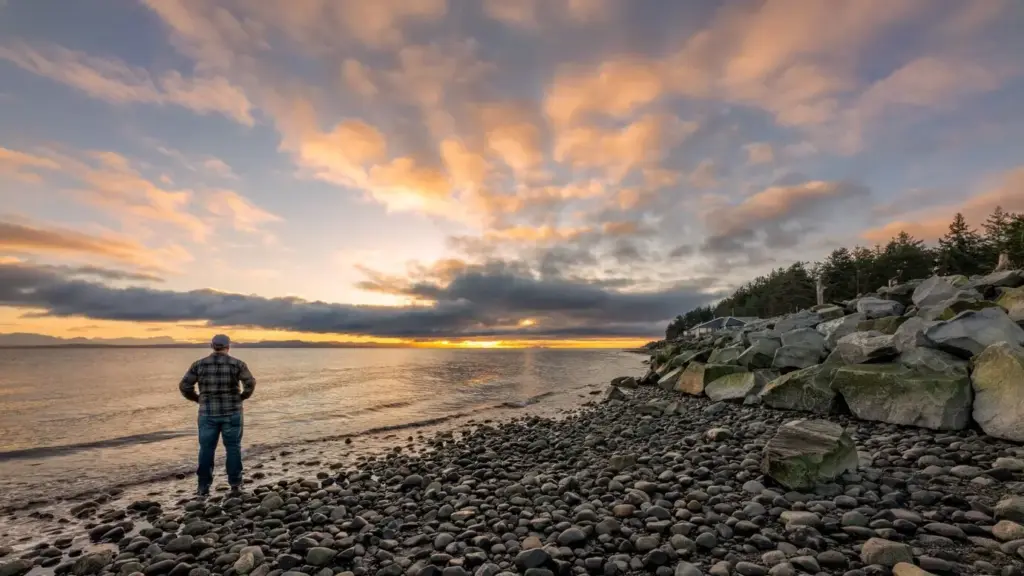
Forecasts often list speed and direction, but they rarely tell you how wind will ricochet off headlands, turning gentle breezes into gritty gusts. Combine model data with topographic maps to anticipate spray zones, then angle yourself slightly leeward for cleaner glass. Watch swell period alongside height; longer periods pack greater punch and surprise reaches. Carry a microfiber cloth, lens hood, and patience. Choosing the calmer pocket may save ten minutes of wiping and preserve rare twilight contrast.

Cloud types that paint fire after sunset

Mid to high-level clouds often hold onto the last color while low, thick decks smother it. Look for broken altocumulus or cirrus that sit above a clear western gap; that opening lets rays underlight cloud bases after the sun dips. If a distant storm deck lingers offshore, its anvil can reflect vibrancy across calmer nearshore skies. Learn your local patterns so you can commit early, trusting that a gray pre-sunset might morph into a show that rewards patient framing.

Fog, marine layer, and how to pivot plans

Coastal fog can slide in like a curtain, shifting visibility from miles to meters in a few minutes. Rather than fight it, embrace mood by moving higher, toward cliffs where the layer thins, or switching to silhouettes that slice through softness. Keep a second location with better drainage winds ready, and shorten shutter speeds to maintain detail before contrast disappears. Flexibility preserves your evening, turning apparent disappointment into mysterious photographs filled with gentle gradients and whispered textures.

Designing Light: Golden to Blue, and the Moon
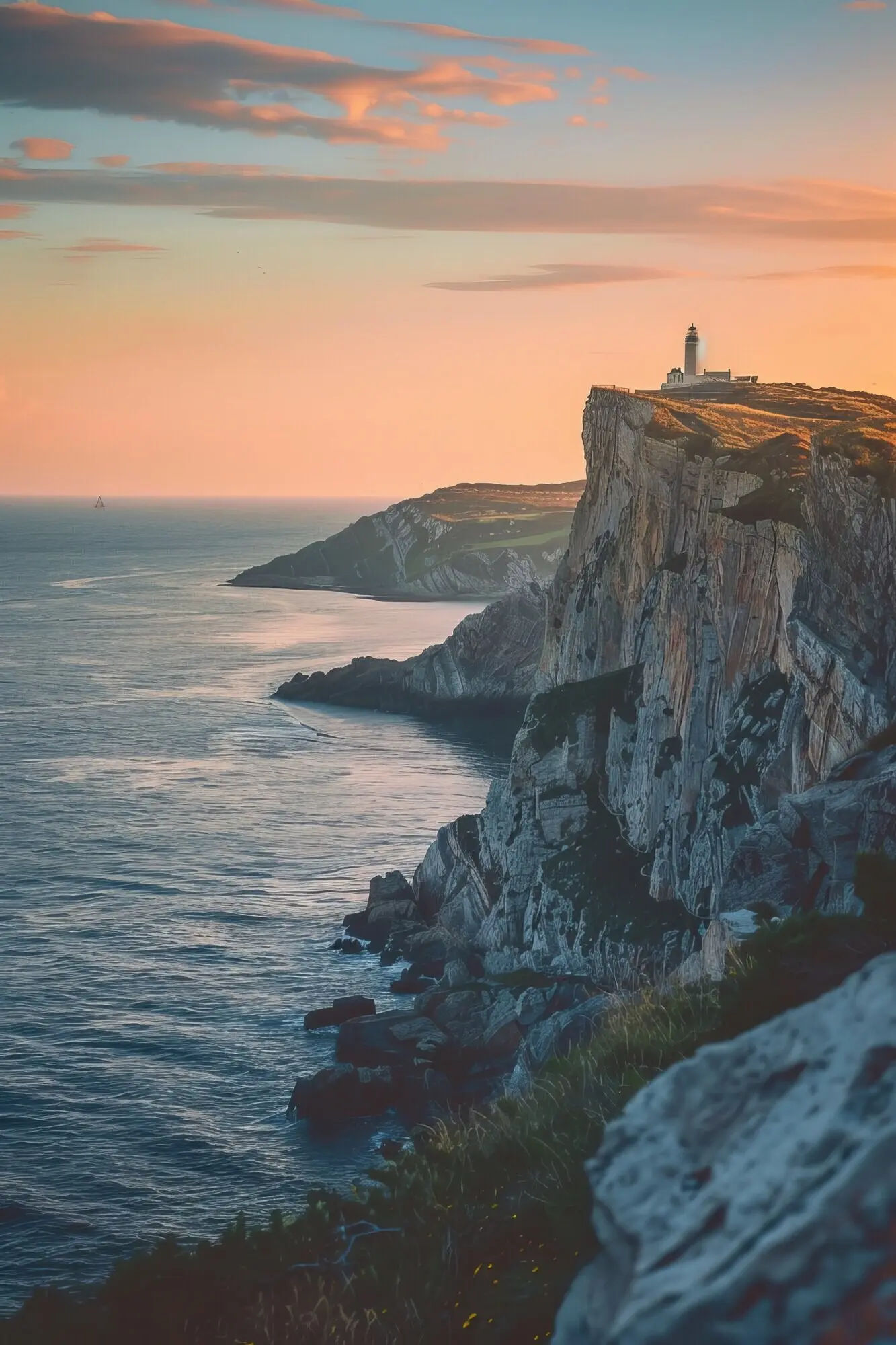
Light evolves rapidly near water, bouncing from foam, sand, and low clouds to carve unexpected highlights. Plan for the golden hour’s warm side light, the blue hour’s cool hush, and the moon’s reflective glow that paints shimmering trails across waves. Consider lunar phase, altitude, and azimuth so moonrise aligns with shoreline features. Weaving these elements together increases depth, softens transitions, and extends your shooting window without sacrificing safety or the spontaneity that makes coastal evenings unforgettable.

Footing, footwear, and the slippery truth
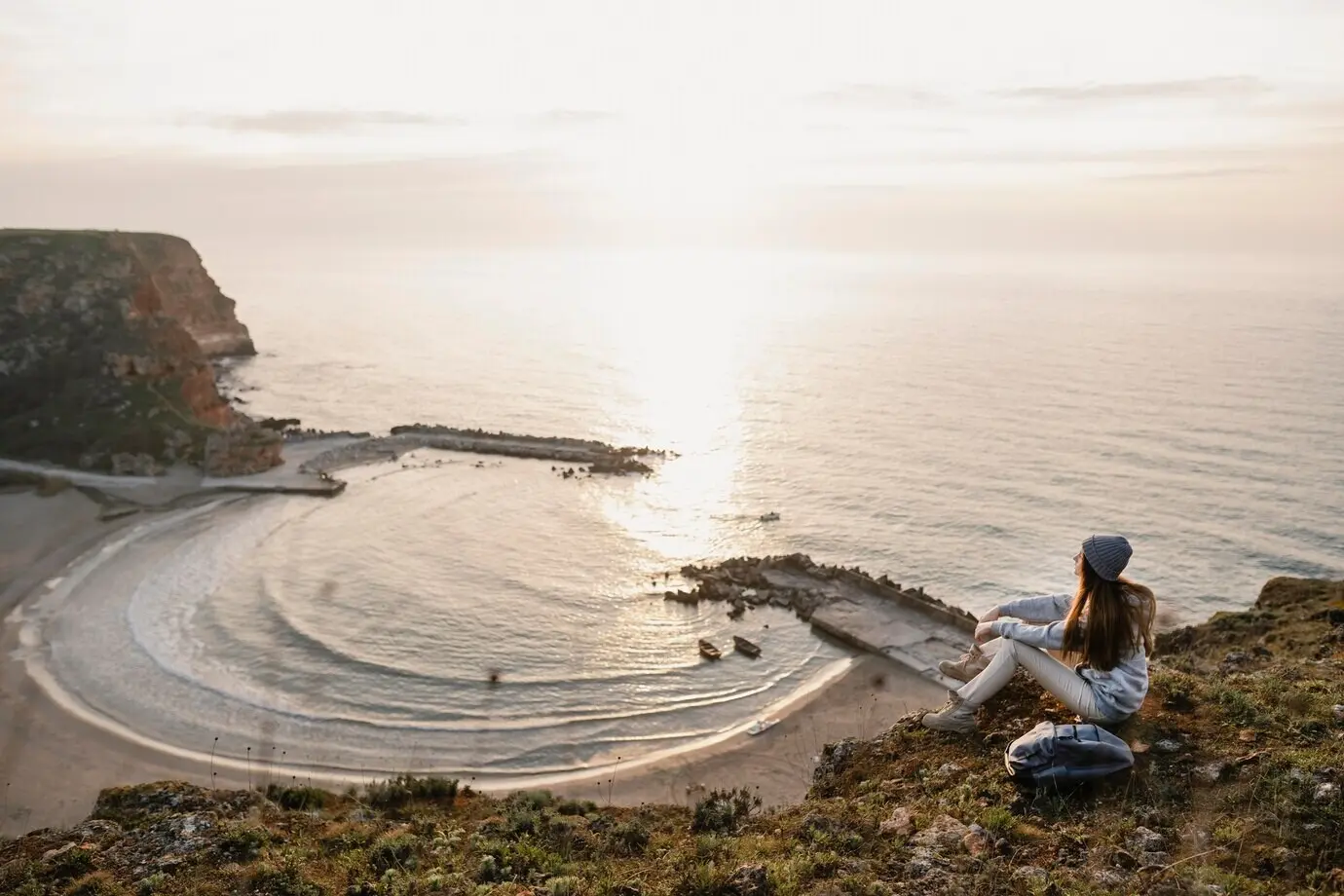
Coastal stone grows living veneers that convert steady steps into surprise skids. Footwear with sticky rubber, compact tread, and solid ankle support reduces drama and encourages deliberate movement. Plant your tripod legs wide, testing each surface with gentle pressure before committing. Keep straps tidy so nothing snags while repositioning between waves. Accept slower pacing; it protects both bones and gear, and it also sharpens observation, often revealing delicate leading lines that hurried walkers miss entirely.

Navigation, signals, and emergency habits

Before sunset, drop pins for exits, check cell coverage, and share your return time with someone reliable. Carry a small first-aid kit, a whistle, and a waterproof pouch for keys and ID. Your headlamp should offer red mode to preserve night vision and avoid blinding nearby photographers. If conditions deteriorate, downgrade your goals, favoring simple frames from safer positions. Building clear habits makes calm decisions automatic when a rogue set surprises you or fog thickens unexpectedly.

Creative Technique for Low, Moving Light
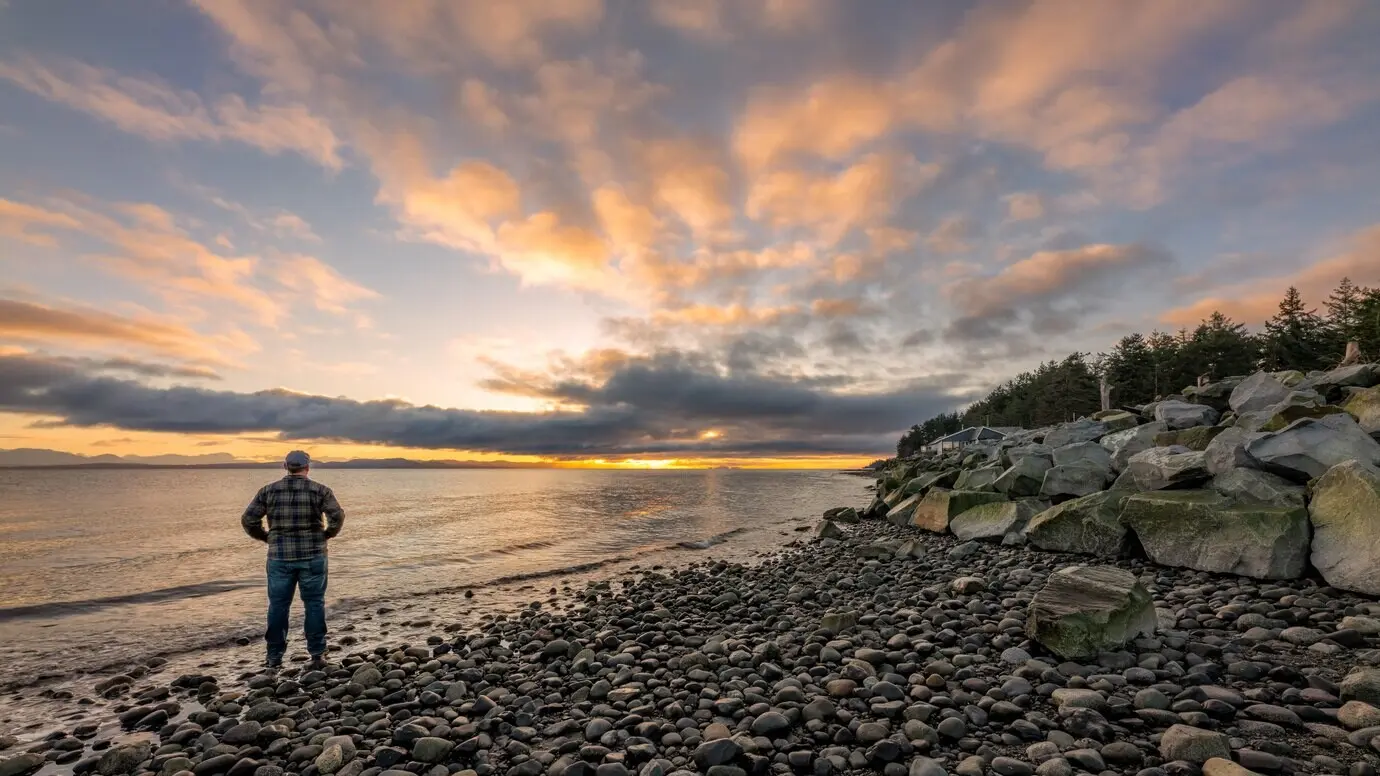
Water never stops moving, and dusk compresses dynamic range. Thoughtful technique will preserve texture while celebrating motion. Use neutral density filters for buttery streaks, but test multiple shutter speeds to balance detail in foam with elegance in blur. Stabilize carefully, shield your lens from spray, and explore bracketing when luminous clouds sit over darker surf. Low ISO maintains quality, yet don’t fear raising it to freeze a decisive splash that anchors the story beautifully.

A Practical Workflow You’ll Actually Use
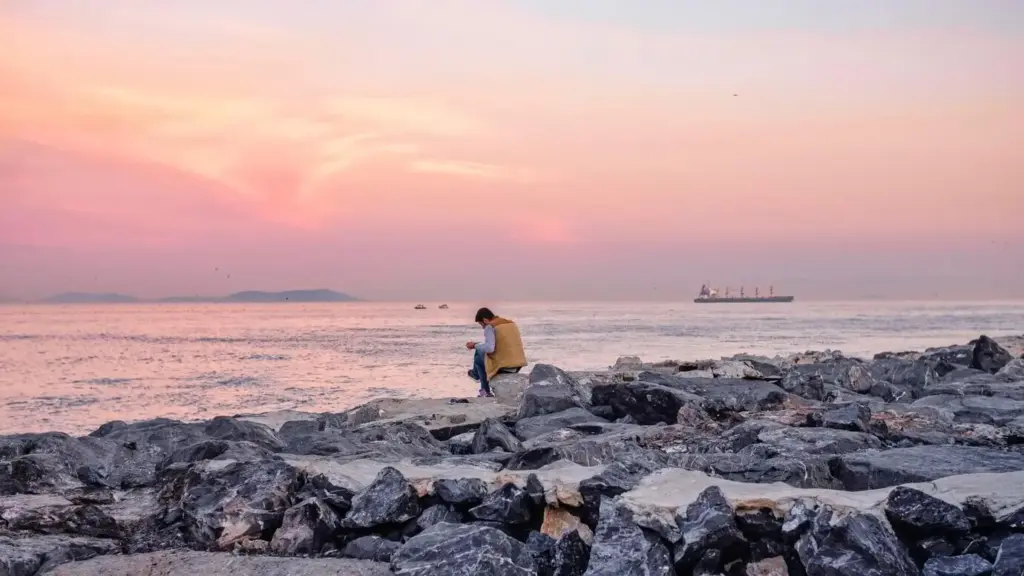
Good intentions fade if your process is fragile. Build a repeatable checklist: verify tide timing against your location’s thresholds, confirm weather windows, select two backup spots, and pre-pack essentials so nothing delays you. Scout earlier in the day or virtually, envision frames at several water heights, and commit to a turnaround alarm. Afterward, review what went right, share insights with peers, and refine settings. This evolving loop creates reliable, safe evenings filled with joyful, intentional photography.
Nufefupituzuvilomaxo
Privacy Overview

This website uses cookies so that we can provide you with the best user experience possible. Cookie information is stored in your browser and performs functions such as recognising you when you return to our website and helping our team to understand which sections of the website you find most interesting and useful.