Shared purpose builds belonging
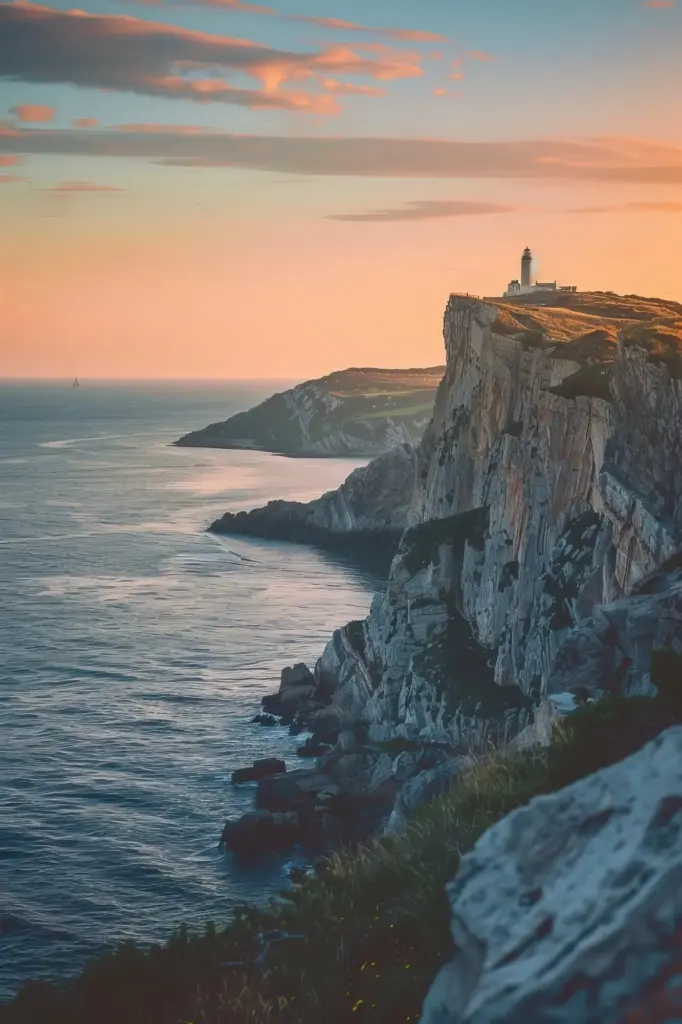
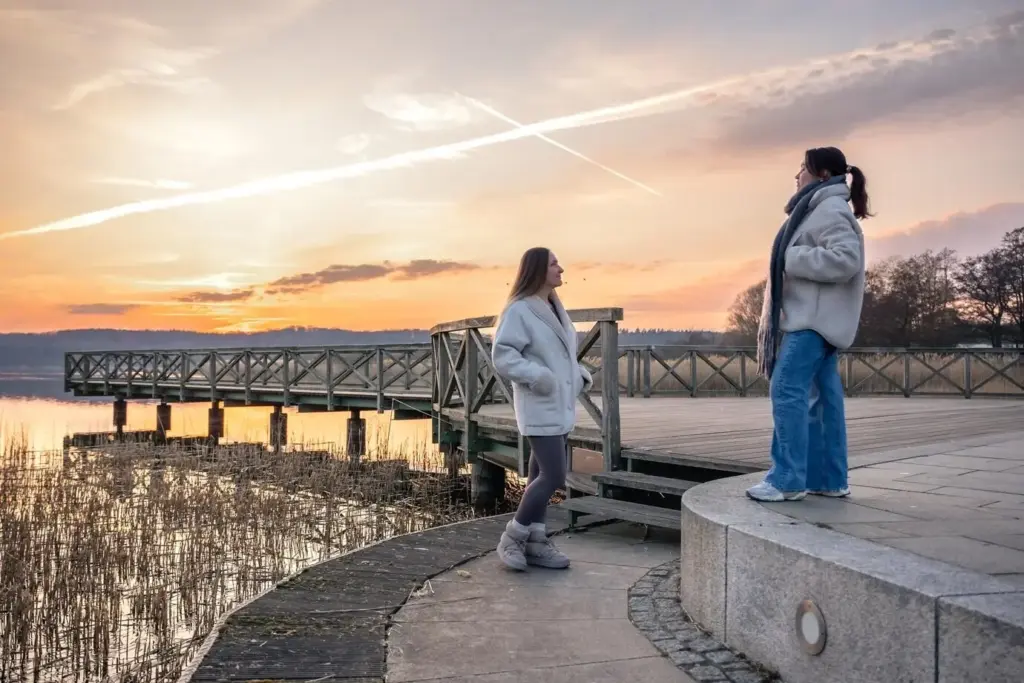
When everyone arrives to chase color and light, the shared goal instantly replaces awkward introductions. People compare settings, trade vantage points, and notice tiny details others miss. This mutual focus accelerates trust, encouraging shy newcomers to participate, ask questions, and return next time with friends who crave the same welcoming, low-pressure creative energy.
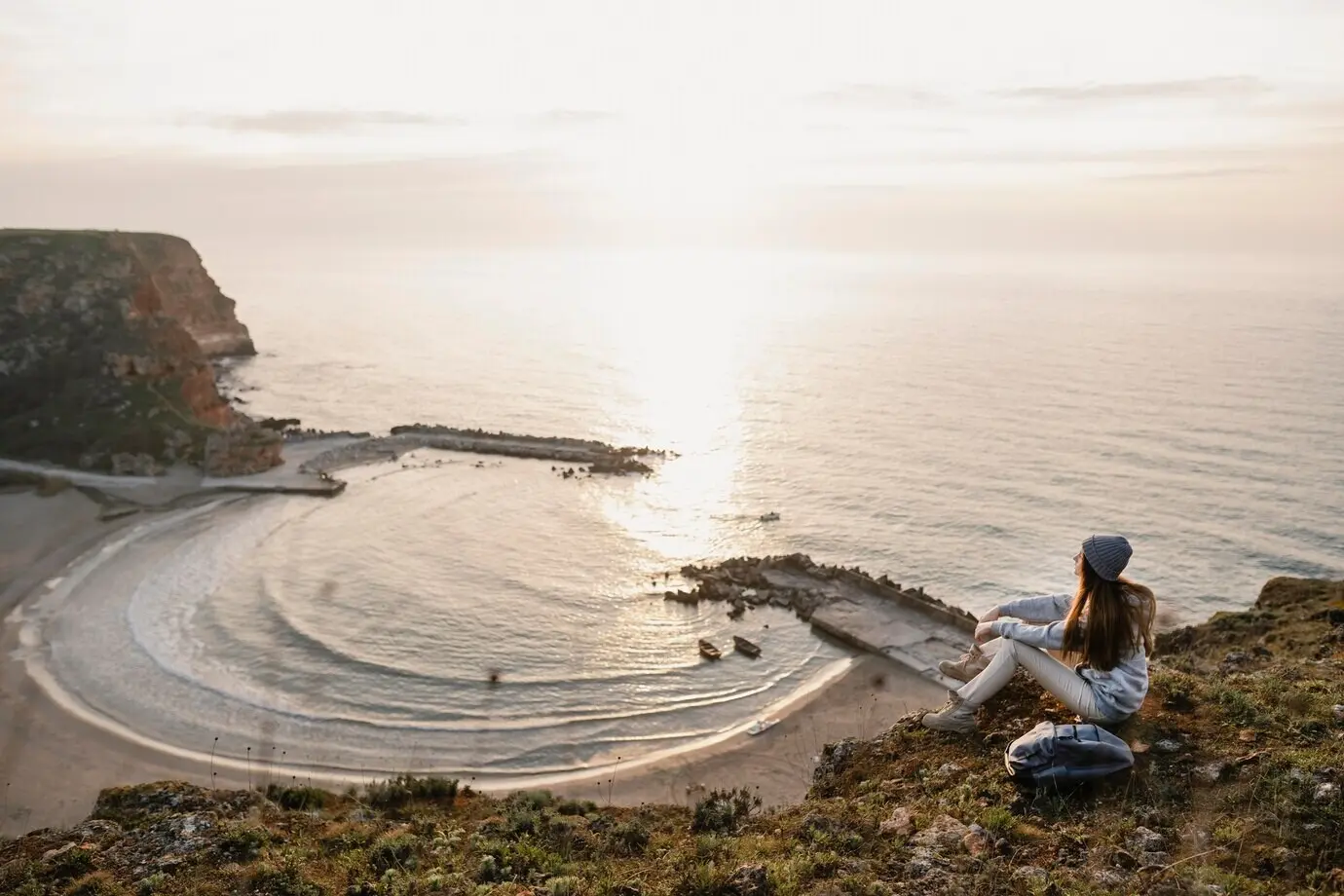
Wellbeing and mindfulness on the shore
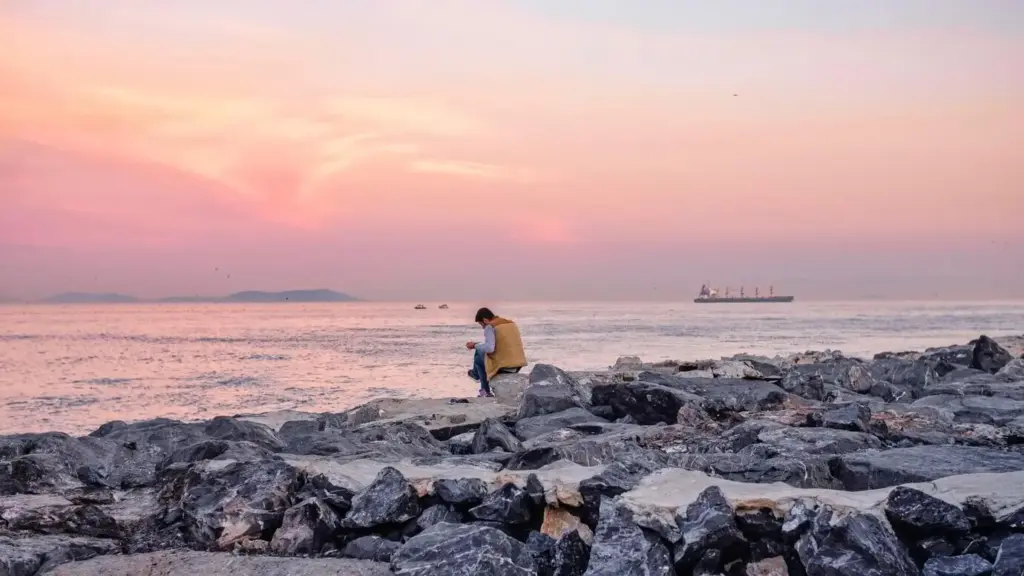
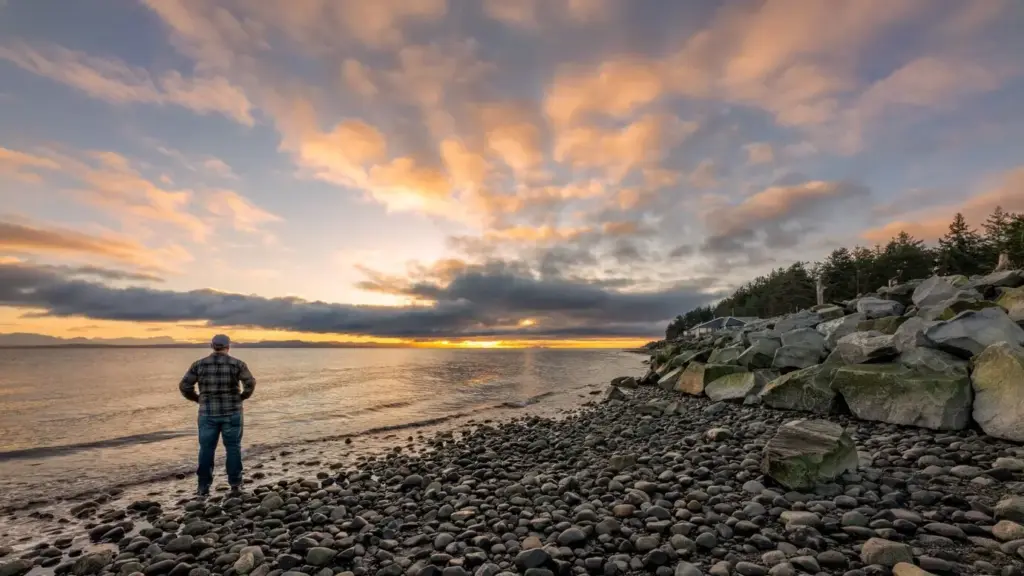
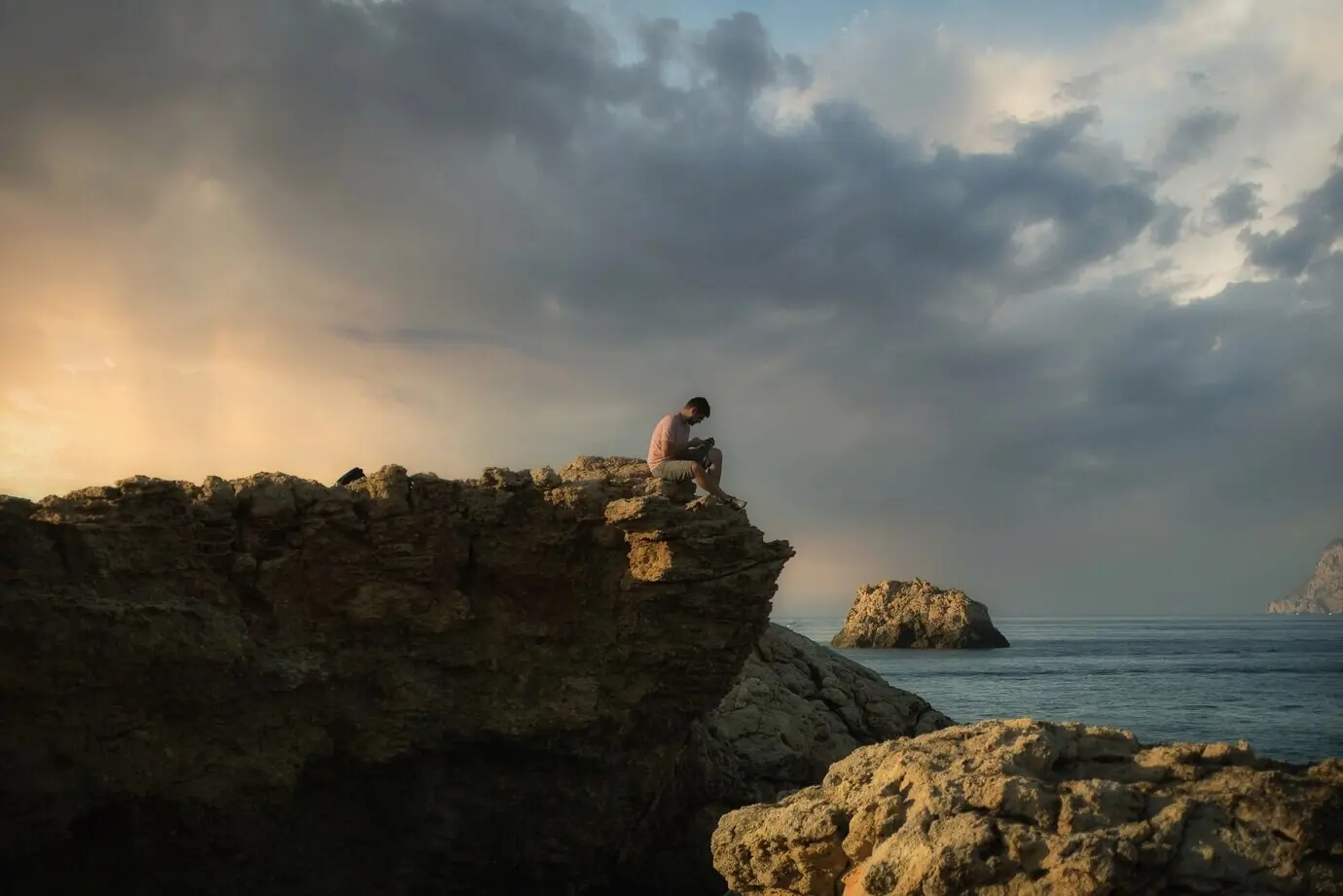
Waves create steady rhythm, inviting deep breaths and gentler pacing. Walking at sunset encourages presence as silhouettes, reflections, and textures shift by the minute. Participants step away from screens, decompress after work, and rediscover curiosity. Many report sleeping better, feeling calmer, and forming healthier routines because the ritual suggests a graceful boundary between day and night.
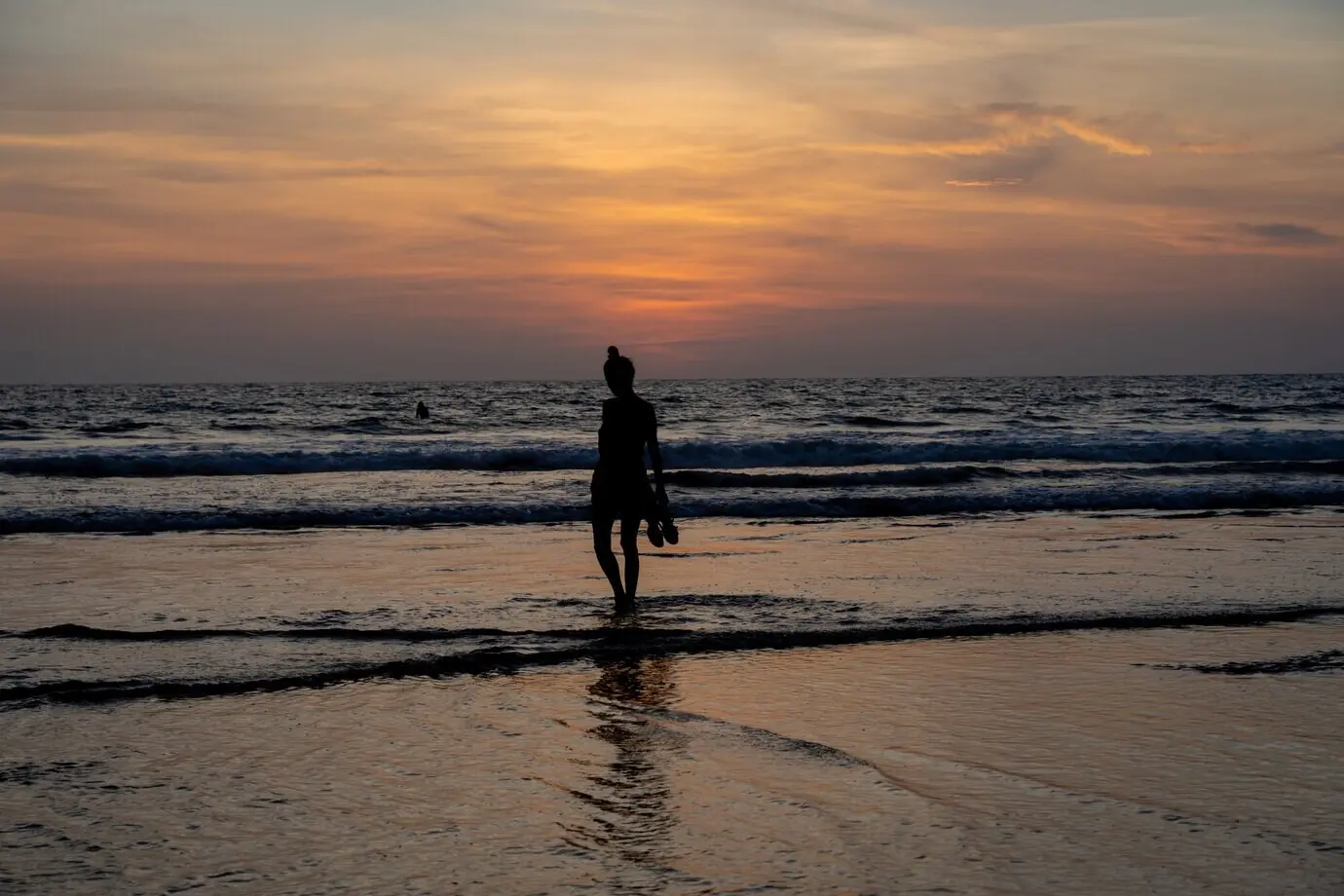
Inclusion across ages and skill levels
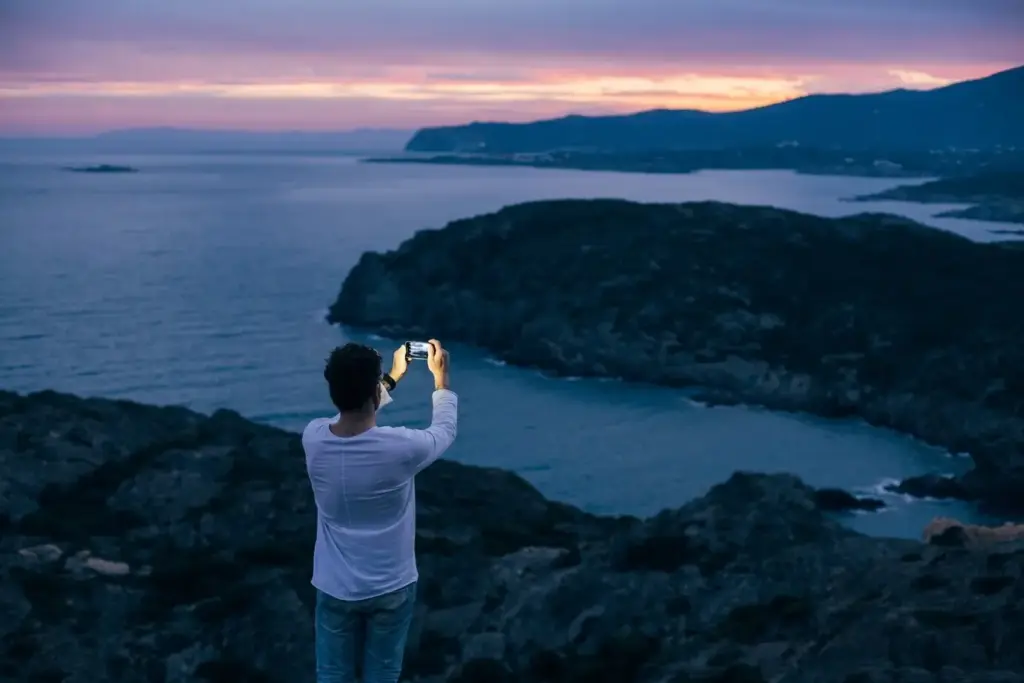
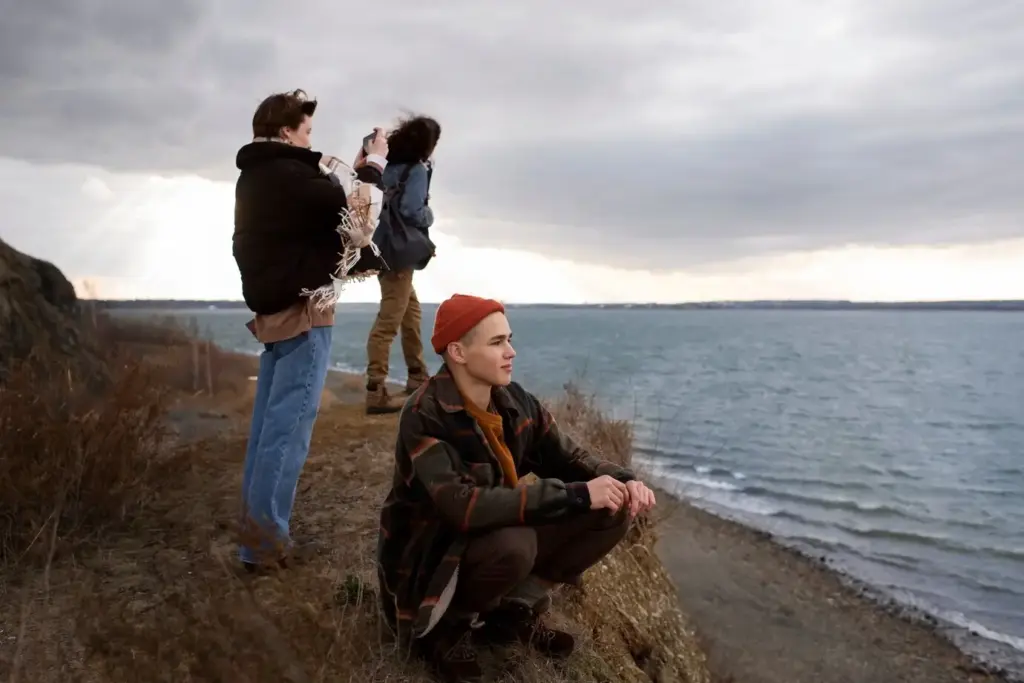
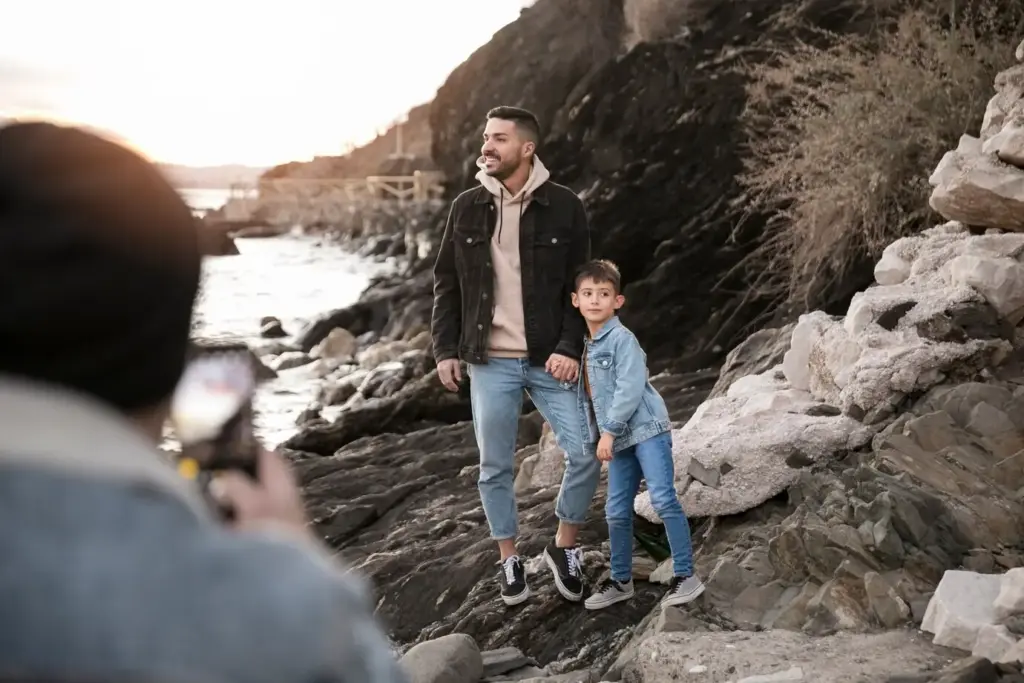
Photowalks thrive when teens, parents, retirees, beginners, and pros mingle. Someone with a phone can capture a better moment than a neighbor with a full kit when timing aligns. Clear guidance, respectful tips, and small wins for every participant ensure nobody feels left behind, creating continuity that keeps the group diverse, friendly, and resilient.