Chasing Color at the Water’s Edge with Only Your Phone

Tonight we’re exploring smartphone techniques for capturing beach sunsets on a photowalk, turning fleeting light and salty air into bold, shareable images. You’ll learn practical timing, composition, exposure, and editing moves that work on any modern phone. Bring curiosity, comfortable shoes, and a readiness to experiment as waves, clouds, and wind shape the story. Share your favorite frames in the comments afterward so we can celebrate discoveries together and plan our next shoreline adventure.

Timing the Sky for Maximum Glow

Light changes faster at the coast than most people expect, so arriving early and staying late multiplies your chances of a keeper. Track the sun’s path, watch for thin high clouds that catch color, and embrace the quieter hues after sundown. The so‑called blue hour often turns tide pools into mirrors, while the final ember on the horizon can silhouette distant surfers. Build a relaxed rhythm, breathe with the waves, and let patience invite the extraordinary.

Golden Hour vs. Blue Hour

Golden hour bathes skin and sand with warm tones that flatter everything, yet blue hour gifts calm gradients and subtle contrast perfect for reflective scenes. Try shooting both, adjusting exposure to protect highlights while preserving midtone detail. Notice how gulls and beachgoers move differently as light softens. Capture sequences, not singles, and compare later to understand how your phone responds to shifting color temperature and dynamic range as day dissolves into twilight.

Reading Clouds, Haze, and Color Potential

Thin cirrus clouds act like a giant reflector, amplifying color long after the sun dips. Low marine haze diffuses harsh edges, creating painterly transitions that phones render beautifully with minimal noise. Scan the horizon for gaps that allow light to slip underneath cloud decks. When those gaps exist, stay ready; the sky can ignite suddenly. If clouds thicken unexpectedly, pivot to silhouettes or close-up texture studies where softness becomes a feature, not a flaw.

Composition that Breathes with the Ocean

At the shore, lines flow, horizons stretch, and the smallest shell can anchor a grand scene. Seek foreground elements that catch light, then align them with the setting sun to create depth and intention. Tilt slightly to include more sky if clouds perform, or lower the horizon when reflections dominate. Think in layers: foreground textures, mid‑distance subjects, and a glowing backdrop. Your phone’s wide lens loves bold shapes, simple geometry, and clear visual pathways.

Mastering Phone Controls in Changing Light

Exposure and Focus: Tap, Hold, and Nudge

Tap on the brightest color near the sun, then drag the exposure slider down until gradients reappear and banding disappears. Lock focus to avoid hunting when reflections shimmer. Take a darker safety shot for highlight recovery. Then, lift exposure slightly for a softer interpretation. Bracket quickly while the sky evolves. If your phone supports it, enable histogram or zebras to visualize clipping. Small, deliberate nudges now save time and noise during editing later.

White Balance and Color Mood Control

Auto white balance often cools warm skies, muting magic. Use a manual or preset option to keep tones golden, then gently cool shadows for contrast. Capture a neutral reference early if your app allows. In mixed haze, prioritize believable skin tones while letting skies glow. When blue hour arrives, tilt warmer than reality to avoid a clinical feeling. Remember, color is emotional communication; consistency across a sequence builds cohesion and helps your story feel intentional and inviting.

HDR, RAW, and When to Keep It Simple

HDR can rescue highlights but sometimes flattens drama or introduces halo artifacts around silhouettes. Try both HDR and standard captures, then compare edge rendering. RAW grants latitude for color grading and shadow recovery, yet demands careful noise control. If the moment is fleeting, prioritize timing instead of toggling features endlessly. Keep a default setup you trust, then switch thoughtfully. The best tool is the one that preserves flow while honoring the scene’s honest luminosity.

Reflections in Wet Sand and Tide Pools

After a receding wave, a thin film of water turns the beach into a perfect mirror for thirty heartbeats. Drop low, tilt slightly down, and align bright clouds with the reflective patch. Keep your shoes ready for a quick retreat. If a passerby enters, embrace the chance for a poetic double silhouette. Observe imperfections—footprints, foam, tiny shells—and use them as texture rather than flaws. Your patience and agility unlock moments that feel dreamlike yet grounded.

Creative Motion with Slow Shutter Apps

When light fades, experiment with long exposures that blur waves into silky ribbons around rocks. Many mobile apps replicate neutral density effects by stacking frames, so a tiny tripod helps immensely. Compose first, then start the capture as foam advances. Review for ghosting and adjust duration to balance texture with serenity. Try panning gently with a surfer to add motion streaks while keeping color intact. These painterly interpretations expand your toolkit beyond literal documentation, inviting personal expression.

Editing on the Go: Color, Contrast, and Care

Thoughtful edits protect authenticity while enhancing mood. Start with exposure and white balance, then coax contrast so gradients remain smooth. Use selective adjustments to lift foreground textures without flattening the sky. Avoid over‑saturation that smears nuance, especially near the sun. Reduce noise gently, sharpen edges sparingly, and correct horizon tilt. Build a repeatable mobile workflow in Lightroom, Snapseed, or your native app. Save versions, compare calmly, and let restraint help your images age beautifully beyond tonight.

Clean, Color, and Gentle Contrast First
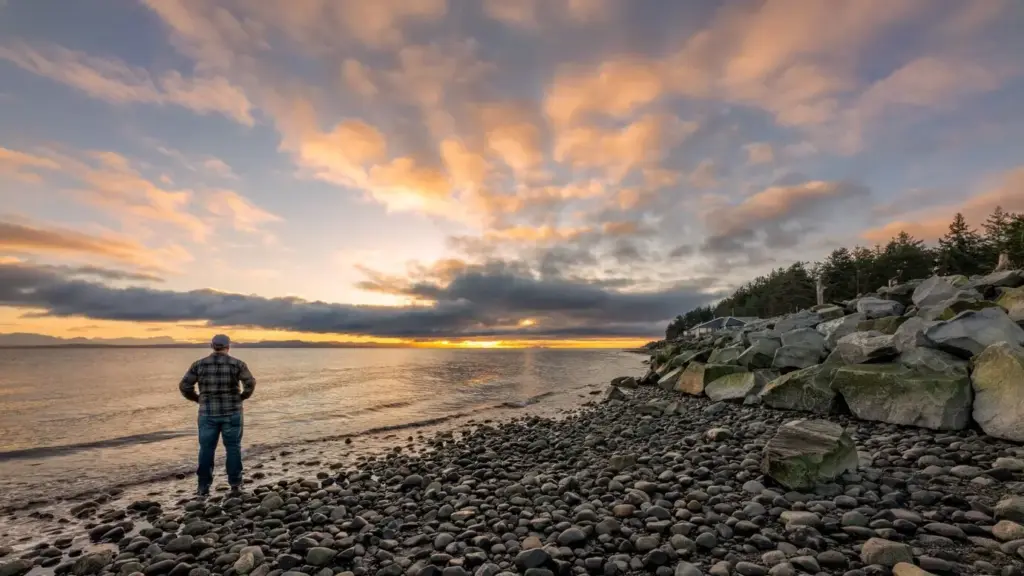
Begin by straightening the horizon and cleaning sensor spots or spray artifacts. Adjust exposure to reveal subtle hues just above the sun, then set white balance for believable warmth. Increase midtone contrast while protecting highlights. If skies posterize, back off saturation and add a slight clarity boost to textures instead. Warm shadows can feel inviting; cool them if the image turns muddy. These early, careful moves create a stable foundation for any expressive grades that follow.

Local Adjustments and Sky Recovery

Use radial masks to brighten foreground shells, or brushes to add micro‑contrast to ripples without crunching the entire frame. A graduated filter from the top can tame a stubborn highlight band. If the sun’s edge blooms, reduce whites slightly and shift hue toward magenta for smoother transitions. Keep changes subtle and iterative, zooming out frequently to check balance. The goal is coherence, not gimmicks. When your touch becomes invisible, viewers feel the place instead of the process.

People, Stories, and a Welcoming Community

A beach at dusk gathers strangers into a gentle fellowship. Moments unfold as dogs chase foam, couples whisper, and kids build castles that surrender to tide. Photograph with empathy, give space, and honor requests not to be included. Share what you’ve learned as the sky dims: helpful tips, safe spots, and thoughtful etiquette. Invite companions to join next time, compare approaches, and trade favorite vantage points. Community makes creativity sustainable, joyful, and resilient against fickle weather.

Silhouettes with Kindness and Clarity

Before making a prominent silhouette of someone recognizable, consider asking permission when practical. A simple wave and smile often opens doors. Position subjects against clean sky, leaving room for gesture and story. Expose for the brightest clouds to keep outlines crisp. If consent isn’t possible, frame wider and avoid identifiable details. Respect multiplies confidence, and confidence improves images. Your considerate approach becomes part of the shared memory of that glowing shoreline evening.

Candid Moments, Consent, and Local Norms

Beach cultures vary widely, so learn local expectations about photography. Some families prefer privacy during sunsets, while surfers often celebrate being documented. When in doubt, be transparent and friendly. Offer to AirDrop or message the final image. If someone declines, thank them and move on. Your calm respect protects the experience for everyone, including you. The most memorable photowalks end with new acquaintances and images that feel honest, relaxed, and happily collaborative.

Share, Learn, and Return to the Tide

Post your favorite frames and tell the micro‑story behind each: what you felt, what changed, and what you’ll try differently next time. Ask our community for critique on composition or color, and give helpful notes in return. Save locations responsibly, avoiding sensitive habitats. Plan a return visit under different conditions—storm edges, winter clarity, or spring haze. Iteration deepens intuition. The shoreline becomes a classroom, your phone a sketchbook, and each sunset another invitation to grow.
Nufefupituzuvilomaxo
Privacy Overview

This website uses cookies so that we can provide you with the best user experience possible. Cookie information is stored in your browser and performs functions such as recognising you when you return to our website and helping our team to understand which sections of the website you find most interesting and useful.