Travel Light, Capture Gold at the Coast
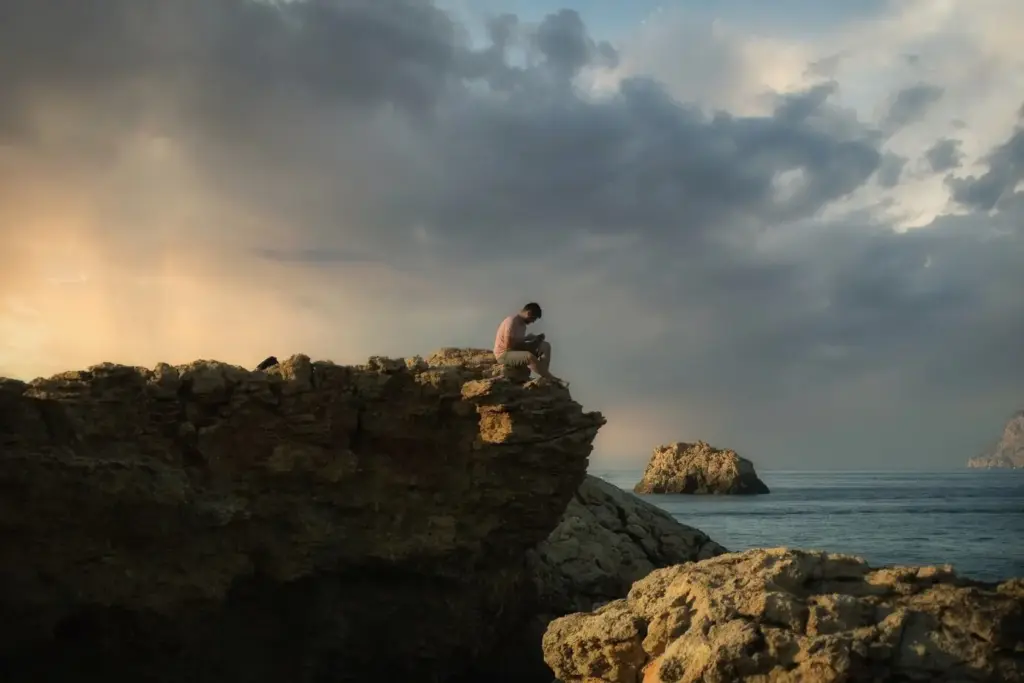
Tonight we explore minimalist gear and packing strategies for sunset coastal photography walks, showing how to move freely, protect your equipment from salt and spray, and react instinctively to fleeting light. Expect pragmatic checklists, field-proven ideas, and honest anecdotes that help you carry less, notice more, and return with images that feel unburdened by clutter yet rich with atmosphere, color, rhythm, and carefully composed intent.

Why Less Becomes More Beside the Sea

A lighter kit lets you dance with changing light, step confidently across wet rocks, and pivot when waves or wind rewrite your plan. Shedding excess reduces fatigue and decision paralysis, making space for patience, curiosity, and timing. I once swapped a heavy telephoto for a compact prime and finally caught a quick burn of magenta sky that would have vanished while I was fumbling with extra glass I never actually needed.
Check tide tables, wind direction, and cloud cover hours ahead, then pack only what aligns with the likely conditions. If high tide narrows the beach, you’ll want versatility and stability rather than a parade of focal lengths. Visualize a two-lens limit, test compositions in your head, and commit. When the first gust lifts spray into the last light, you’ll be moving, not rummaging, and your images will show it.
Choose one versatile zoom and a compact prime, or a pair of small primes that cover your preferred range. A 24–105 can handle sweeping shorelines and quick details, while a 35mm offers intimacy and remarkable sharpness. Limiting options accelerates decisions, keeps your bag trim, and encourages compositional discipline. You’ll learn your focal lengths by feel and stop losing minutes to indecision as the horizon deepens into gold and violet.

An Ultralight Kit That Still Delivers

Body And Glass That Earn Their Space

Pick a body you trust at ISO 800–1600, with dependable weather resistance and a responsive EVF. Pair it with a 24–70 or 24–105 for shoreline breadth and detail, or carry a 35mm for intimacy and clarity. Fast apertures help at the edge of blue hour, but weight creeps quickly. Choose the smallest combination that preserves confidence. When salt winds rise, you’ll appreciate fewer surfaces to protect and a lens you can leave mounted.

Stability Without Carrying the Shoreline

A compact carbon travel tripod or a lightweight monopod with a small foot can be enough. Consider a tabletop tripod for low perspectives on tide pools, braced by rocks to defeat vibrations. If you leave support at home, use strap tension, a beanbag, or a jacket as a cushion. A modest solution you actually deploy beats a heavy rig you hesitate to unfold while the sky changes faster than your hands can decide.

Filters That Solve Problems, Not Create Them

Carry a circular polarizer for glare and a soft graduated neutral density to balance bright sky against darker water. Both earn their places at sunset when reflections complicate exposure. Leave exotic stacks behind if they slow you. Keep filters in a slim pouch, clean them before the walk, and commit to a simple approach. The fewer pieces you juggle in sea spray, the more you can watch clouds sculpt light across the horizon.

Packing That Moves At The Speed Of Light

Choose a compact sling or small backpack that stays stable while climbing and can swing forward for instant access. Arrange items so the camera clears the zipper in one motion, and isolate anything vulnerable in a dry bag. Salt and sand are relentless; predictable organization is protection. When you’re free to kneel, lean, or scramble safely, compositions appear faster, and your kit feels like a companion rather than a puzzle to solve.

Reading Tide, Weather, And The Color Clock
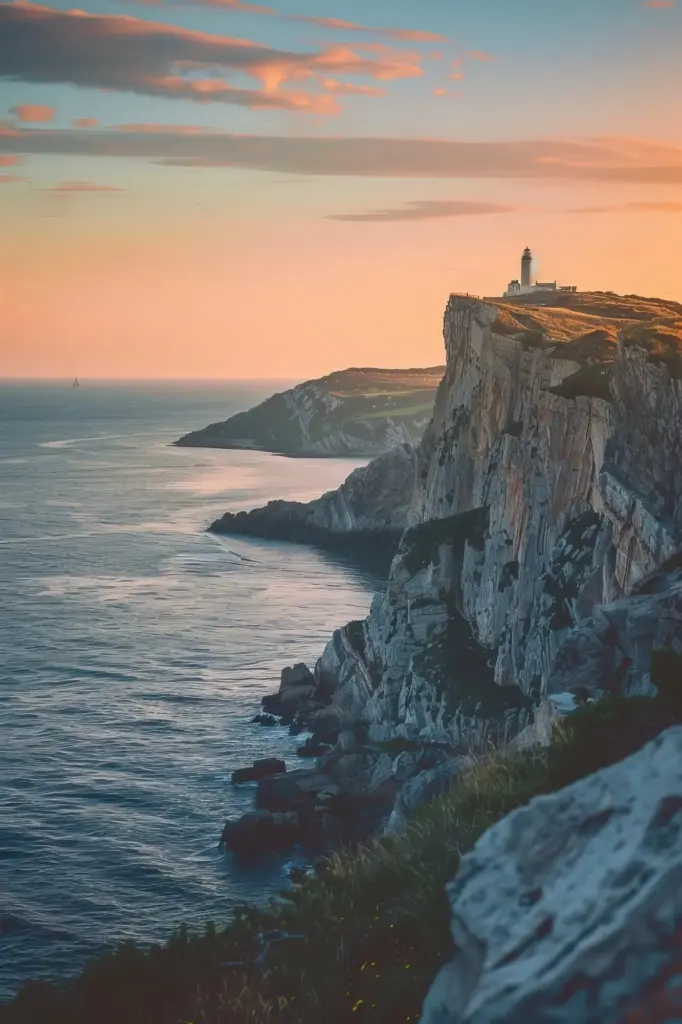
Sunset near the ocean is choreography: tide height shifts footing, wind sharpens spray, and low clouds can ignite minutes after the disc dips. Check tide and swell forecasts, plan safe approaches, and expect slippery surfaces. Pack a headlamp even when departure feels early. When you trust your plan, you can refine exposure and composition instead of worrying about escape routes. Preparation makes minimal kits feel brave rather than bare, focused rather than fragile.

Pre-Walk Checks That Keep You Present
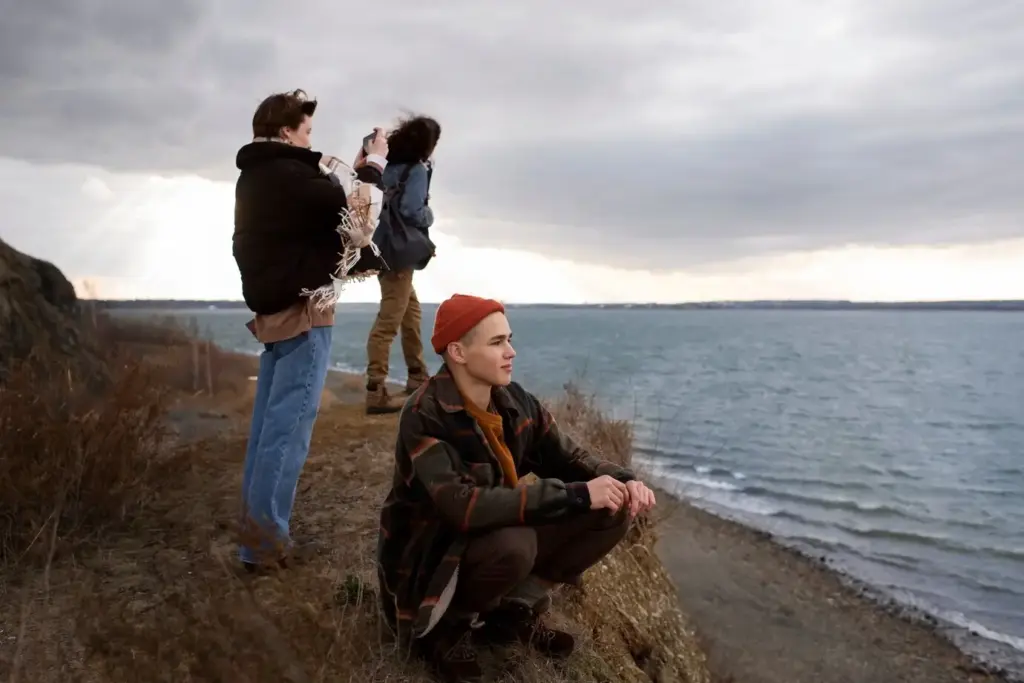
Confirm tide timing relative to sunset, scan swell height, and read wind direction. Mark a safe high-ground exit and notice where reflective wet sand will likely appear. Bring a slim headlamp, tiny first-aid, and a compact phone power bank—enough to solve problems, not weigh you down. With essentials secured, you can kneel into low angles, wait for color to ripen, and leave only footprints and quiet gratitude in your wake.

Working The Color Shift With Intention

Shoot RAW, but decide on a creative white balance direction. Slightly warm to emphasize glow on wet sand, or cool to deepen twilight blues. Carry a small folding gray card if you rely on consistency, then tuck it away. Minimal gear doesn’t mean guessing; it means efficient choices. As light slides from amber to mauve, you’ll adapt confidently, refining exposure rather than rummaging for a scattered set of accessories that distract from nuance.

Compositions That Breathe Ocean Air

Let minimal gear guide a quieter eye: silhouettes framed by sea stacks, reflections rippling on wet sand, and leading lines carved by receding foam. With fewer lenses, you’ll move more, explore angles, and refine edges. Embrace negative space as the shoreline softens into evening. Your kit becomes an invitation to pay attention, to wait for that final radiant minute when the world hushes and color folds into a graceful, lingering whisper.

01

Foreground That Anchors The Horizon

Hunt for ripples, shells, or seaweed arcs that echo the sky’s curve. A moderate focal length encourages stepping closer, strengthening perspective and intimacy. Kneel carefully—use your bag as a cushion rather than packing a pad. Align shapes, then time the pullback of a wave to etch bright lines. Simplicity reveals character: two or three elements in quiet conversation, letting the viewer feel wind, salt, and the slow rhythm between breath and tide.

02

Silhouettes With Heart, Not Just Outlines

Expose for sky, let figures fall into elegant shadow—a walker, a dog, a gull banking into the breeze. Watch posture and gesture; tiny changes express mood. Minimal equipment helps you anticipate rather than arrange. Keep the camera ready, avoid lens swaps, and respond when a stranger pauses at the waterline. The frame becomes a small story, a meeting of solitude and color, carried by shape, horizon, and a faint, reflective sheen of dusk.

03

Long Exposures Without Lugging A Studio

Carry a single three-stop ND to smooth water and lengthen lines in gently fading light. Stabilize against a rock or use a compact tripod if you brought one. Trigger with a two-second timer to skip the remote. Embrace slight motion in clouds; it adds honesty. With each constraint, you gain clarity, crafting images that feel intentional and calm, made by a photographer unencumbered, attentive, and rooted in the moment’s patient unfolding.

Comfort, Safety, And Sustainable Pace
Footing You Can Trust On Slick Stone

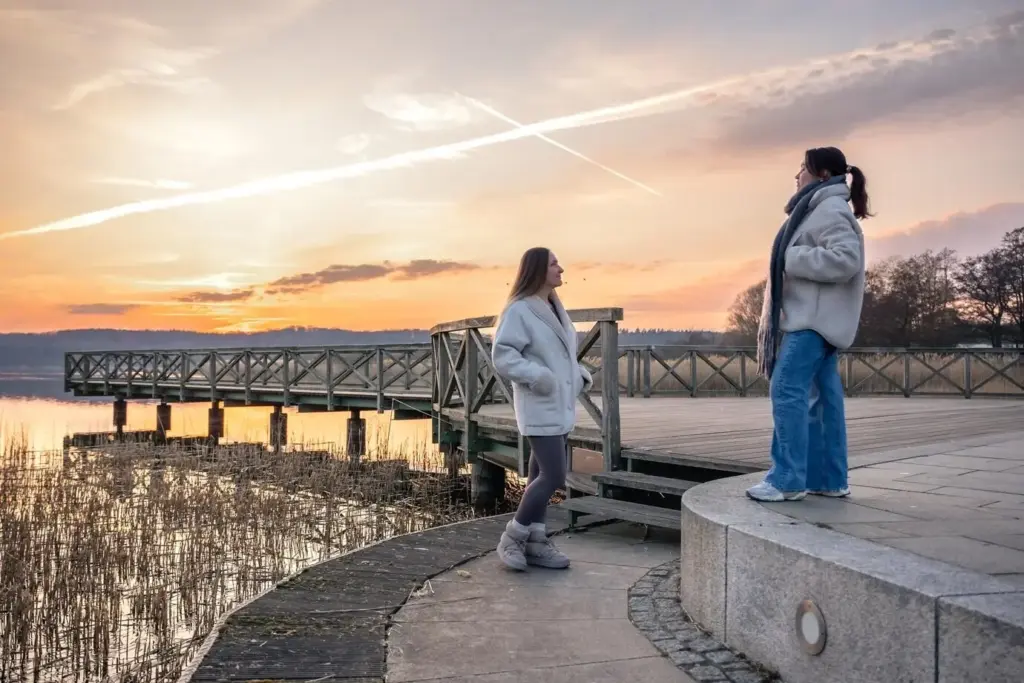
Wet rock covered in algae is more treacherous than it looks. Wear shoes with sticky rubber and a stable heel, and take shorter steps while testing each surface. Keep your pack snug to improve balance. I once watched a heavy bag yank a friend off-center during a stumble; minimal load, strong traction, and patience are quiet guardians. Better footing buys creative freedom when the coastline becomes a gallery of slippery, shining mirrors.

Warmth That Doesn’t Bully Your Bag

Wet rock covered in algae is more treacherous than it looks. Wear shoes with sticky rubber and a stable heel, and take shorter steps while testing each surface. Keep your pack snug to improve balance. I once watched a heavy bag yank a friend off-center during a stumble; minimal load, strong traction, and patience are quiet guardians. Better footing buys creative freedom when the coastline becomes a gallery of slippery, shining mirrors.

Hydration And Energy Without The Bulk

Wet rock covered in algae is more treacherous than it looks. Wear shoes with sticky rubber and a stable heel, and take shorter steps while testing each surface. Keep your pack snug to improve balance. I once watched a heavy bag yank a friend off-center during a stumble; minimal load, strong traction, and patience are quiet guardians. Better footing buys creative freedom when the coastline becomes a gallery of slippery, shining mirrors.

Field Notes That Actually Help Later

Use a tiny waterproof notebook or a voice memo to record tide, wind, and what gear truly mattered. Keep it simple: three bullets—kept, missed, change. Those reflections shape the next walk’s packing list better than any review. Over time, patterns appear, revealing which tools earn their keep and which just hitch rides, letting your bag shrink without fear and your images strengthen through focused, incremental, and evidence-backed adjustments.

Fast, Focused Culling After Dusk

Back home, copy files to one well-organized folder structure and tag selects before fatigue wins. Limit yourself to two passes: technical, then emotional. Minimalism here reduces backlog anxiety. A small external SSD and consistent naming beat sprawling drives and indecision. The goal isn’t ruthless deletion; it’s clear momentum. You’ll remember lessons while the evening is fresh, reinforcing packing choices and sharpening instincts for the next walk along that glowing, generous edge of sea.
Nufefupituzuvilomaxo
Privacy Overview

This website uses cookies so that we can provide you with the best user experience possible. Cookie information is stored in your browser and performs functions such as recognising you when you return to our website and helping our team to understand which sections of the website you find most interesting and useful.